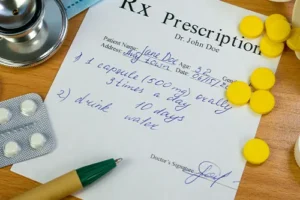
 Medication errors occur when healthcare providers make preventable mistakes during prescribing, dispensing, or administering drugs. In New Jersey, patients harmed by these errors may have grounds for a medical malpractice claim. You generally have two years to file a lawsuit, and you’ll need expert testimony proving the healthcare provider fell below accepted medical standards. If a medication mistake caused you serious harm, an experienced attorney can help evaluate your case.
As a trusted personal injury firm serving clients throughout New Jersey, The Grossman Law Firm has helped individuals harmed by medical negligence understand their rights and pursue fair compensation. We know how these cases work in New Jersey courts and what it takes to build a strong claim. With our 27+ years of experience, we’ve won millions of dollars in compensation for our clients.
Talk to us in a free consultation. You pay us no fees until we win for you.
What Is a Medication Error?
A medication error is any preventable event that causes or could cause inappropriate medication use or patient harm. According to the Agency for Healthcare Research and Quality, these errors can happen at any point from when a doctor prescribes a drug to when the patient actually receives it.
Common types of medication errors include:
- Prescribing the wrong medication or dosage
- Failing to check for dangerous drug interactions
- Dispensing the wrong drug at the pharmacy
- Administering medication to the wrong patient
- Giving a drug at the wrong time or through the wrong method
- Ignoring a patient’s known allergies.
These mistakes can happen in hospitals, nursing homes, pharmacies, doctor’s offices, and outpatient clinics. When they cause serious harm, they may form the basis of a medical malpractice claim.
How Medication Errors Become Malpractice Claims
Not every medication error automatically qualifies as medical malpractice. To have a valid claim in New Jersey, you must prove four key elements:
- Duty of care. The healthcare provider had a professional obligation to treat you according to accepted medical standards. This relationship exists whenever a doctor, nurse, or pharmacist provides you with care.
- Breach of duty. The provider failed to meet those standards. For medication errors, this might mean prescribing a dangerous drug combination, giving the wrong dose, or ignoring clear warning signs.
- Causation. The provider’s breach directly caused your injury. You must show that the medication error, not your underlying condition or another factor, led to your harm.
- Damages. You suffered actual harm. This includes physical injuries, additional medical costs, lost wages, pain and suffering, or other measurable losses.
Attorney Scott D. Grossman and our team at The Grossman Law Firm work closely with medical experts to establish each of these elements when building medication error cases for New Jersey clients.
New Jersey Medical Malpractice Laws
New Jersey has specific rules governing medical malpractice claims, including those involving medication errors.
- Statute of limitations. Under New Jersey law, you generally have two years from the date of injury to file a medical malpractice lawsuit. However, the “discovery rule” may extend this deadline if you couldn’t reasonably have known about the error right away. For example, if you only learned years later that a misdiagnosis led to improper medication, your two-year window might start from the date you discovered the mistake.
- Affidavit of merit requirement. New Jersey requires plaintiffs to provide an affidavit of merit within 60 days after the defendant files their answer to your complaint. This sworn statement from a qualified medical expert must confirm there’s a reasonable probability that the healthcare provider’s care fell below acceptable professional standards. Without this affidavit, your case may be dismissed.
- Expert witness standards. For medical malpractice cases, the expert who signs the affidavit must meet specific qualifications. If the defendant is board-certified in a specialty, your expert typically must be board-certified in the same area.
- No damage caps. New Jersey doesn’t limit the amount you can recover for economic or non-economic damages in medical malpractice cases. However, punitive damages are limited to $350,000 or five times the compensatory award, whichever is greater.
How Courts Handle Medication Error Cases
New Jersey courts take medication error cases seriously because the consequences can be severe. Judges and juries look at whether the healthcare provider followed standard protocols and whether the error was truly preventable.
Courts consider factors like:
- Whether the provider had access to your complete medical history
- If proper safety checks were in place
- Whether the error was caught and addressed promptly
- The severity and permanence of your injuries.
In these cases, expert testimony is crucial. Medical experts explain what a competent provider should have done under similar circumstances. They also help establish the connection between the error and your injuries.
The Grossman Law Firm works with medical professionals who can review your records, identify where the standard of care was violated, and explain these complex issues in clear terms. Attorney Scott D. Grossman understands that successful medication error claims require thorough preparation and compelling expert support.
The Scope of Medication Errors in Healthcare
Medication errors represent a significant patient safety concern across the country. According to the Centers for Disease Control and Prevention (CDC), more than 1.5 million people in the US are sent to emergency rooms each year due to adverse drug events (ADEs). About 500,000 of them require hospitalization.
The Agency for Healthcare Research and Quality notes that these adverse drug events are among the most common preventable incidents in healthcare. Sadly, according to the agency, ADEs are still common mostly because prescription and nonprescription medications are prevalent. The agency emphasizes the role of clinicians in preventing adverse drug events, particularly during the prescribing, transcribing, dispensing, and administration of medication.
The numbers highlight why medication safety systems exist and why healthcare providers have a duty to follow them carefully.
Frequently Asked Questions
What should I do if I suspect a medication error harmed me?
Document everything you can. Keep all prescription bottles, medication lists, and medical records. Write down what happened, including dates, symptoms, and any conversations with healthcare providers. Seek medical attention for your injuries. Then consult with an attorney who handles medication error cases to understand your options.
Can I sue a pharmacist for a medication error?
Yes. Pharmacists have a duty to dispense the correct medication in the right dosage and to check for potential drug interactions. If a pharmacy error causes you harm, you may have a claim against the pharmacist, the pharmacy, or both.
How long do I have to file a medication error lawsuit in New Jersey?
The standard deadline is two years from when the injury occurred or when you reasonably should have discovered it. However, special rules apply in certain situations, such as cases involving minors. Because missing the deadline can bar your claim entirely, it’s important to consult an attorney promptly.
What compensation can I receive for a medication error injury?
You may recover damages for medical bills, lost income, pain and suffering, emotional distress, and reduced quality of life. In cases involving extreme recklessness, punitive damages might also be available, though these are capped under New Jersey law.
Key Points to Remember
- Medication errors are preventable mistakes that can occur during prescribing, dispensing, or administering drugs.
- New Jersey law generally gives you two years to file a medical malpractice claim, though the discovery rule may extend this deadline.
- You’ll need a qualified medical expert to provide an affidavit of merit supporting your claim.
- To succeed, you must prove the healthcare provider breached the standard of care and that breach directly caused your injuries.
- New Jersey doesn’t cap compensatory damages in medical malpractice cases.
Contact The Grossman Law Firm for Help With Your Personal Injury Case
If you or a loved one suffered harm because of a medication error, you deserve answers and may be entitled to compensation. The Grossman Law Firm can review your case and help you understand your legal options.
Scott D. Grossman, Esq. is a respected personal injury attorney serving clients throughout New Jersey. Visit his lawyer profile to learn more about his experience and results, or contact us now to arrange a free evaluation of your case. Call (732) 625-9494 to schedule your free consultation.
