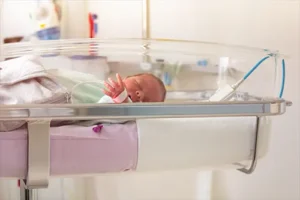
 When a newborn in the neonatal intensive care unit suffers harm due to medical mistakes, families in New Jersey have legal options. NICU errors can include medication mistakes, delayed treatment, improper monitoring, and failure to respond to warning signs. If negligent care caused or worsened your baby’s condition, you may be able to pursue compensation through a medical malpractice claim.
As a trusted personal injury firm serving families throughout New Jersey, The Grossman Law Firm understands the unique challenges in these cases. We’ve helped parents seek accountability when NICU staff fail to provide the standard of care these vulnerable patients deserve. Over our 27+ years of service, we’ve obtained deca-millions in compensation for our clients after the negligence of others caused them harm.
Consult for free with us at The Grossman Law Firm. We don’t charge any lawyer fees and will only get paid from what we win for you.
What Makes NICU Care High-Risk
The neonatal intensive care unit (NICU) provides critical support for premature babies, infants with low birth weight, and newborns facing serious health complications. These patients require constant monitoring and precise treatment because their bodies have a limited ability to compensate for medical errors.
Babies in the NICU often have underdeveloped lungs, hearts, and immune systems. They may need breathing support, intravenous nutrition, and multiple medications simultaneously. The complexity of their care creates more opportunities for mistakes. When errors occur, these fragile patients suffer consequences far more quickly and severely than older children or adults would.
Common reasons for NICU admission include prematurity, respiratory distress, infections, jaundice requiring treatment, and complications from difficult deliveries. Some babies arrive at the NICU after experiencing birth asphyxia, where oxygen deprivation has already damaged their brains. Proper NICU care can minimize further harm, but mistakes can make an already serious situation worse.
Types of NICU Medical Errors
Research published by the National Institutes of Health identifies several categories of errors that occur in neonatal intensive care settings. Understanding these helps families recognize when something may have gone wrong.
- Medication errors rank as the most frequently reported type of mistake in the NICU. These include giving the wrong dose, administering medication at incorrect intervals, using drugs the infant is allergic to, and infusing medications too quickly. Because newborns process drugs differently than adults and even older children do, dosing errors that might be minor in other patients can be dangerous or fatal for NICU babies.
- Resuscitation failures happen when staff don’t respond quickly enough to breathing emergencies. Newborns who stop breathing need immediate intervention. Delays in securing an airway or providing oxygen can cause brain damage within minutes. Improper intubation technique can also cause injury or fail to restore adequate oxygen flow.
- Monitoring lapses occur when nurses and doctors miss warning signs. Blood sugar levels, oxygen saturation, heart rate, and temperature all require careful tracking. Failing to notice abnormal readings or delaying response to alarms can allow treatable problems to become permanent injuries.
- Infection management failures can be devastating. Newborns have immature immune systems and limited ability to fight infections. When NICU staff fail to maintain sterile technique, don’t recognize signs of sepsis, or delay antibiotic treatment, infections can spread rapidly and cause organ damage or death.
- Feeding errors include administering breast milk from the wrong mother, using incorrect formulas, and mismanaging feeding tubes. These mistakes can cause allergic reactions, nutritional deficiencies, and aspiration injuries.
New Jersey Medical Malpractice Law for NICU Cases
New Jersey law allows families to file medical malpractice claims when healthcare providers fail to meet the accepted standard of care and that failure causes harm. When pursuing this claim, it’s important to know the rules that apply:
Time Limits for Filing a NICU Malpractice Lawsuit in NJ
Under New Jersey’s personal injury statute (NJ Statutes 2A:14‑2), a standard medical malpractice lawsuit must be filed within two years of when the injury occurred or was discovered. But for injuries sustained at birth or in the immediate postnatal period, New Jersey provides an extended timeline: the family must file before the child’s 13th birthday.
In addition, New Jersey applies a “discovery rule.” It allows that if the harm was not immediately apparent, the standard two-year clock runs from when the patient knew or should have known of the injury and possible negligence. For example, if the child was born in 2022 but only showed injury symptoms in 2024, the window to sue may start in 2024. This recognizes that brain injuries and other NICU complications may not become fully apparent until a child starts missing developmental milestones.
That said, waiting years to investigate potential malpractice creates challenges. Medical records can be harder to obtain, staff members change jobs, and memories fade. The Grossman Law Firm recommends that families who suspect NICU negligence seek legal guidance as early as possible.
Affidavit of Merit Requirement
New Jersey requires an affidavit of merit in medical malpractice cases. A qualified medical expert must review the case and confirm that the healthcare provider’s conduct likely fell below professional standards. This requirement helps filter out cases without medical merit while allowing valid claims to proceed.
How Courts Evaluate NICU Malpractice Claims
Proving a NICU malpractice case requires establishing four elements. Attorney Scott D. Grossman and our team work with medical experts to build cases that address each requirement:
- First, there must be a duty of care. When NICU staff accept responsibility for treating a patient, they owe that patient proper medical attention. This element is usually straightforward in NICU cases.
- Second, the family must show a breach of the standard of care. This means proving that the NICU team did something a reasonably competent provider wouldn’t have done, or failed to do something that should have been done. For example, if nursing protocols require checking blood sugar every two hours and the staff went six hours without a check, that gap may constitute a breach.
- Third, there should be direct causation, meaning the breach directly caused the injury. This is often the most contested element. Babies in the NICU are already sick, so defense attorneys frequently argue that the child’s condition resulted from underlying health problems rather than medical mistakes. Expert testimony becomes critical in establishing that specific errors caused specific harm.
- Fourth, the family must demonstrate damages. NICU injuries often result in lifelong conditions requiring ongoing medical care, therapy, special education, and adaptive equipment. New Jersey places no cap on compensatory damages in medical malpractice cases, allowing families to pursue full compensation for all past and future costs.
Supporting Research on NICU Patient Safety
Studies from leading research institutions confirm that NICU patients face significant risks from medical errors.
According to research published by the National Center for Biotechnology Information, medication error rates in neonatal intensive care units are substantially higher than in adult hospital settings. The study notes that the potential for patient harm from these incidents represents a significant concern.
The Cleveland Clinic reports that throughout the US, as many as 13,100 babies are born each year with cerebral palsy, a condition that can result from brain injuries during or after birth. About 1 million adults are already living with this condition.
Frequently Asked Questions
What should I do if I think my baby was harmed by a NICU mistake?
Request copies of all medical records from the hospital, including nursing notes, medication logs, and monitoring data. Write down your own observations about what happened and when. Then consult with a medical malpractice attorney who can have experts review whether negligence occurred.
Can I sue the hospital or just the individual doctors and nurses?
In New Jersey, hospitals can be held liable for the negligent acts of their employees. You may have claims against the institution, individual providers, or both, depending on who caused the harm and their employment relationship.
How much does it cost to hire a NICU malpractice lawyer?
Most medical malpractice attorneys, including The Grossman Law Firm, work on contingency fees. This means families pay no upfront costs. The attorney’s fee comes from any settlement or verdict obtained. If there’s no recovery, there’s no fee.
What compensation is available in NICU malpractice cases?
Families can pursue damages for medical expenses, future care costs, therapy and rehabilitation, special education needs, assistive devices, pain and suffering, and diminished quality of life. New Jersey does not cap (limit) compensatory damages in medical malpractice cases.
Key Points to Remember
- NICU patients are extremely vulnerable to medical errors because of their small size and immature organ systems.
- Medication errors are among the most commonly reported types of mistake in neonatal intensive care.
- New Jersey families have until the child’s 13th birthday to file a birth injury claim, but acting sooner preserves evidence.
- An affidavit of merit from a medical expert is required to proceed with a malpractice lawsuit.
- New Jersey places no cap on compensatory damages, allowing full recovery for lifetime care costs.
Contact The Grossman Law Firm for Help With Your NICU Malpractice Case
If you believe your baby suffered preventable harm in the NICU, you deserve answers about what happened and whether negligence played a role. A thorough case evaluation can help determine your legal options.
Scott D. Grossman, Esq. is a top-rated personal injury attorney in New Jersey. Visit Attorney Scott Grossman’s profile to learn more about his experience and results, or call (732) 625-9494 to schedule a free consultation.
