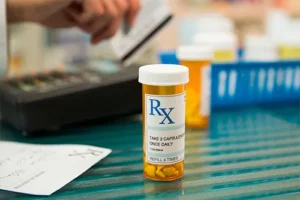
 Pharmacy errors in New Jersey can form the basis of a medical malpractice or negligence lawsuit when a pharmacist’s mistake causes patient harm. These errors include dispensing the wrong medication, providing an incorrect dosage, or failing to warn about dangerous drug interactions. If you or a loved one was injured due to a pharmacy mistake, you may have the right to seek compensation for your medical bills, lost wages, and pain and suffering.
As a trusted personal injury firm serving clients throughout New Jersey, The Grossman Law Firm has extensive experience handling medical malpractice cases, including those involving pharmacy negligence. We understand how devastating medication errors can be for patients and families. Our firm works to hold negligent parties accountable and have helped injured clients recover deca-millions in compensation after the harm they suffered.
Talk to us in a free consultation. At Grossman Law, we take no fees unless we win for you, so you get top-notch legal help without risking anything.
Understanding Pharmacy Errors and How They Occur
A pharmacy error is any preventable mistake during the medication dispensing process that leads to patient harm. According to the FDA’s Division of Medication Error Prevention and Analysis, a medication error is a preventable incident that may lead to patient harm or inappropriate medication use while the medication is under the control of a healthcare provider, consumer, or patient.
Pharmacy errors can happen at retail pharmacies, hospital pharmacies, mail-order services, and compounding facilities. Common types of pharmacy errors include:
- Wrong medication dispensed: A patient receives a different drug than the one prescribed. This often happens when drug names look or sound alike.
- Incorrect dosage: The pharmacist provides the wrong strength or amount of medication. This can lead to overdose or ineffective treatment.
- Wrong patient: Medication intended for one patient goes to another, sometimes with serious consequences.
- Failure to identify drug interactions: Pharmacists have a duty to review patient profiles and flag potentially dangerous drug combinations.
- Mislabeled prescriptions: Instructions on the label don’t match the prescription, leading patients to take medication incorrectly.
- Failure to counsel: In New Jersey, pharmacists must offer to counsel patients on new prescriptions. Skipping this step can leave patients unaware of important warnings.
Legal Standards for Pharmacy Malpractice in New Jersey
New Jersey law treats pharmacy errors as a form of professional malpractice. To bring a successful claim, you’ll generally need to prove four key elements.
First, the pharmacist owed you a duty of care. This duty arises automatically when a pharmacist fills your prescription or provides medication-related services. Pharmacists must exercise the same level of skill and knowledge that other reasonably competent pharmacists would use under similar circumstances.
Second, the pharmacist breached that duty. A breach occurs when the pharmacist fails to meet the accepted standard of care. Examples include dispensing the wrong drug, failing to check for interactions, or ignoring a clear warning on the prescription.
Third, the breach caused your injury. You must show a direct connection between the error and the harm you suffered. If you received the wrong medication but didn’t take it, there’s no injury to claim.
Fourth, you suffered actual damages. This includes medical expenses, lost income, pain and suffering, and other losses tied to the pharmacy error.
The Affidavit of Merit Requirement
New Jersey has specific procedural rules for malpractice cases. Under New Jersey law governing professional malpractice claims, plaintiffs must provide an Affidavit of Merit within 60 days after the defendant files an answer to the complaint.
This affidavit must come from a licensed professional, typically a pharmacist or physician, who states there’s a reasonable probability that the defendant’s conduct fell below acceptable professional standards. Without this affidavit, your case may be dismissed. That’s why it’s important to work with an attorney who understands these requirements and can connect you with qualified experts.
Who Can Be Held Liable for Pharmacy Errors?
Depending on the circumstances, several parties might bear responsibility for a pharmacy error:
- The pharmacist: Individual pharmacists who make dispensing errors or fail to catch dangerous drug interactions can be held personally liable.
- The pharmacy: Retail chains, hospital pharmacies, and independent pharmacies may be liable for their employees’ negligence under the legal doctrine of vicarious liability.
- The prescribing physician: If the doctor wrote an illegible prescription or prescribed a contraindicated medication, they may share fault.
- The pharmacy technician: Technicians assist pharmacists with counting pills and preparing prescriptions. Their errors can also lead to liability.
- Drug manufacturers: In some cases, confusing labeling or packaging contributes to errors, potentially making the manufacturer liable.
Attorney Scott D. Grossman and our team at The Grossman Law Firm work with medical experts to investigate how an error occurred and identify all potentially responsible parties. This thorough approach helps ensure that injured patients have the best chance of recovering full compensation.
Time Limits for Filing a Claim
New Jersey has strict deadlines for medical malpractice lawsuits. In most cases, you have two years from the date of your injury to file a claim. However, the “discovery rule” may apply if you didn’t immediately know that a pharmacy error caused your harm.
Under the discovery rule, the two-year clock starts when you discover, or reasonably should have discovered, that a pharmacist’s negligence caused your injury. For example, if you took the wrong medication for months before realizing it wasn’t what your doctor prescribed, your deadline might start from the date you discovered the error.
There are also special rules for minors and individuals with certain disabilities. Because these deadlines are strict and exceptions are limited, speaking with an attorney early is essential to protect your rights.
The Impact of Pharmacy Errors: Key Data
Medication errors represent a serious public health concern across the United States. According to the CDC’s Medication Safety data:
- More than 1.5 million people visit emergency departments for adverse drug events each year in the US.
- Nearly 500,000 of these patients require hospitalization.
- Adults 65 and older visit emergency rooms for drug-related issues more than 600,000 times annually.
The most common culprits in these emergencies are anticoagulants (blood thinners), diabetes medications like insulin, and antibiotics. Research from the FDA shows that wrong drug errors account for approximately 30% of outpatient pharmacy mistakes, while wrong strength errors make up about 26%.
These statistics underscore the importance of holding negligent pharmacies accountable. When pharmacists cut corners or fail to follow proper procedures, patients pay the price.
Frequently Asked Questions
How do I know if I have a pharmacy error case?
If you took medication dispensed by a pharmacy and suffered unexpected side effects, worsening health, or a medical emergency, you may have a case. Key signs include receiving pills that look different than usual, experiencing symptoms unrelated to your condition, or learning from another doctor that you were taking the wrong medication.
Can I sue the pharmacy or just the pharmacist?
You can potentially sue both. Pharmacies are often held responsible for their employees’ mistakes. An attorney can help determine which parties to include in your claim.
What compensation can I recover?
Damages in pharmacy error cases may include medical bills, lost wages, pain and suffering, emotional distress, and, in severe cases, wrongful death damages for surviving family members.
How long do pharmacy error cases take to resolve?
Every case is different. Some settle within months through negotiation, while others require litigation and may take a year or longer. Complex cases involving serious injuries typically require more time to build a strong case.
Key Points to Remember
- Pharmacy errors are preventable mistakes that can cause serious harm, including hospitalization and death.
- New Jersey treats these cases as professional malpractice, requiring proof that the pharmacist breached the standard of care.
- You must file an Affidavit of Merit from a qualified expert to proceed with your case.
- The statute of limitations is generally two years, but the discovery rule may extend this deadline in certain situations.
- Multiple parties, including the pharmacist, pharmacy, and even the prescribing doctor, may share liability.
Contact The Grossman Law Firm for Help With Your Personal Injury Case
If you or someone you love was harmed by a pharmacy error, you don’t have to face this challenge alone. The Grossman Law Firm is ready to review your case and explain your legal options.
Scott D. Grossman, Esq. is a top-rated personal injury attorney in New Jersey with a proven track record of helping clients obtain justice after medical negligence. Visit Attorney Scott Grossman’s profile to learn more about his experience and results.
Call (732) 625-9494 to schedule a consultation today.
