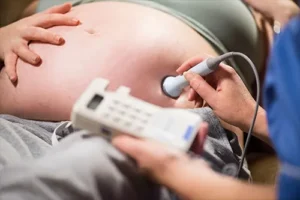
 When a midwife’s negligence causes harm to a mother or baby during pregnancy, labor, or delivery, families may have grounds for a medical malpractice claim under New Jersey law. These cases require proof that the midwife failed to meet the professional standard of care and that this failure directly caused the injury. Birth injury claims involving minors must generally be filed before the child’s 13th birthday, giving families time to recognize injuries that may not appear immediately.
As a respected personal injury firm serving clients throughout New Jersey, The Grossman Law Firm has helped many families fight for their rights after experiencing birth-related injuries. We have over 27 years of legal experience, and in those decades have obtained millions in settlements and verdicts for our clients. We know how to build a strong negligence claim, and we’re ready to listen to you.
Talk to us in a free consultation. With Grossman Law, you pay nothing unless or until you win. Call us today at (732) 625-9494.
Understanding Midwife Negligence Under New Jersey Law
Midwife negligence occurs when a certified nurse-midwife or other licensed midwife fails to provide care that meets accepted professional standards. In New Jersey, midwives are licensed healthcare providers who must follow specific protocols during pregnancy, labor, delivery, and postpartum care. When they don’t, and their patients suffer harm as a result, it may constitute medical malpractice.
New Jersey recognizes several types of midwives, including Certified Nurse-Midwives (CNMs), Certified Midwives (CMs), and Certified Professional Midwives. Each must meet licensing requirements established by the New Jersey Division of Consumer Affairs.
CNMs are licensed through the Board of Nursing as advanced practice nurses, and midwives more broadly are regulated under the Division of Consumer Affairs/Board of Medical Examiners with the Midwifery Liaison Committee. The Midwifery Liaison Committee oversees midwife licensing in the state, requiring practitioners to maintain current certifications and meet continuing education standards.
The legal standard for these cases is the same as for any medical malpractice claim: You must show that the midwife owed a duty of care to the patient, breached that duty by falling below accepted standards, and that the breach directly caused the injury.
Common Forms of Midwife Malpractice
Birth injuries from midwife negligence can happen in many ways. Some of the most common are:
-
- Failing to properly monitor the baby’s heart rate during labor, which can lead to oxygen deprivation if fetal distress goes unnoticed
- Delayed responses to signs of complications – for example, waiting too long to call for emergency intervention or transfer a patient to a hospital
- Failing to identify high-risk pregnancies that should be managed by an obstetrician
- Not recognizing when a cesarean section is needed
- Improper handling during delivery that causes physical trauma
- Failing to detect infections in the mother that could affect the baby, such as group B streptococcus.
Attorney Scott D. Grossman and our team at The Grossman Law Firm understand that identifying negligence requires a careful review of medical records and consultation with qualified experts. What might seem like an unfortunate outcome could actually be the result of preventable errors.
How New Jersey Courts Handle Birth Injury Cases
New Jersey has specific rules that govern medical malpractice cases, including those involving midwife negligence:
Affidavit of Merit Requirement
Within 60 days of the defendant’s answer to your complaint, you must provide an affidavit from a qualified medical expert stating that there’s a reasonable probability the midwife’s care fell outside acceptable professional standards.
This requirement exists to prevent frivolous lawsuits and ensure that claims have medical merit before they proceed. The expert providing the affidavit must have relevant qualifications in the same field or a closely related specialty with comparable credentials as the defendant.
Statute of Limitations (Time Limits)
New Jersey’s statute of limitations for personal injury lawsuits is generally two years. However, birth injury cases have special rules. For injuries sustained at birth, the lawsuit must be filed before the child’s 13th birthday. This extended timeframe recognizes that some birth injuries, particularly those involving brain damage, may not become apparent until the child misses developmental milestones later in childhood.
The state follows a discovery rule as well. If the injury or its connection to negligence wasn’t immediately apparent, the two-year period may not begin until the family knew or should have known about the potential malpractice.
Types of Birth Injuries Caused by Negligence
Birth injuries from midwife negligence can range from temporary conditions to permanent disabilities. These are some of the most serious:
- Cerebral palsy refers to certain disorders that affect the child’s movement and muscle development. It often results from lack of oxygen to the brain during delivery – for example, due to prolonged labor or umbilical cord issues.
- Hypoxic-ischemic encephalopathy (HIE) is brain damage caused when the baby doesn’t receive enough oxygen. This condition can lead to cerebral palsy, developmental delays, and lifelong cognitive impairments.
- Brachial plexus injuries occur when the nerves in the baby’s shoulder are damaged during delivery. This can happen when excessive force is used or when the baby’s positioning isn’t properly addressed. Erb’s palsy, which affects arm and shoulder movement, is one form of this injury.
- Other injuries include bone fractures, particularly of the collarbone, bleeding within the skull (cephalohematoma or subgaleal hemorrhage), and nerve damage. In the most severe cases, birth injuries can be fatal.
Proving a Midwife Negligence Claim
To succeed in a New Jersey birth injury case, you’ll need to establish four key elements:
- Duty of care: You’ll need to establish that a provider-patient relationship existed between you and the midwife. When you are officially their patient, they owe you a duty of care. This is typically straightforward when you’ve received prenatal care and delivery services from a midwife.
- Breach: You must prove the midwife breached the standard of care. This requires expert testimony explaining what a competent midwife would have done under similar circumstances and how the defendant’s actions fell short.
- Causation: It’s not enough to show that negligence occurred. You must prove that the negligence actually caused the injury. This can be complex in birth injury cases because complications sometimes occur despite proper care.
- Damages: You must have suffered damages, which often include medical expenses, future care costs, pain and suffering, and other losses resulting from the injury.
Compensation Available in New Jersey Midwife Negligence Cases
New Jersey doesn’t cap (limit) economic or non-economic damages in medical malpractice cases. This means families can seek full compensation for all their losses, including but not limited to:
- Medical bills and ongoing treatment
- Rehabilitation and therapy costs
- Special education and accommodations
- Lost earning capacity if the child’s injury affects their future ability to work
- Pain and suffering
- Loss of quality of life.
The state does limit punitive damages to $350,000 or five times the compensatory damages, whichever is greater. However, punitive damages are rare in medical malpractice cases and require proof that the defendant acted with actual malice or wanton disregard for patient safety.
Supporting Data on Birth Injuries
Medical research indicates that birth injuries encompass a wide range of conditions resulting from mechanical forces during pregnancy, labor, or delivery. Infant injuries can be as mild as minor scalp swelling, or as serious as brain bleed (intracranial hemorrhage).
The Cleveland Clinic reports that about 13,100 infants are born each year in the US with cerebral palsy. The CDC’s research on cerebral palsy risk factors indicates that lack of oxygen during labor and delivery (asphyxia) is one contributing factor to brain injuries that can lead to cerebral palsy. Proper monitoring during birth is essential for detecting fetal distress early and preventing oxygen deprivation.
Frequently Asked Questions
Can you sue a midwife for a birth injury in New Jersey?
Yes. Midwives are licensed healthcare providers in New Jersey who can be held liable for medical malpractice if their negligence causes harm. The same legal standards that apply to physicians apply to midwives. You’ll need to prove a breach of the professional standard of care that directly caused the injury.
How long do I have to file a birth injury lawsuit in New Jersey?
For birth injuries sustained at birth, New Jersey law requires the lawsuit to be filed before the child’s 13th birthday. For other medical malpractice claims involving minors, the standard two-year statute of limitations doesn’t begin until the child turns 18. Acting quickly is still advisable because evidence and witness memories can fade over time.
What damages can I recover in a New Jersey birth injury case?
Families can recover both economic and non-economic damages. Economic damages include medical bills, future care costs, and reduced earning capacity, while non-economic damages cover pain and suffering, emotional or mental distress, and diminished quality of life. New Jersey doesn’t cap these damages in medical malpractice cases.
Do I need an expert witness for a midwife negligence claim?
Yes. New Jersey requires an affidavit of merit from a qualified medical expert within 60 days of the defendant’s answer to your complaint. This expert must attest that there’s a reasonable probability that the midwife’s care fell below acceptable standards. Expert testimony is also essential at trial to establish the standard of care and prove how it was breached.
Key Points to Remember
- Midwife negligence claims in New Jersey follow medical malpractice rules, requiring proof that care fell below professional standards.
- Birth injury lawsuits must generally be filed before the child’s 13th birthday.
- An affidavit of merit from a qualified medical expert is required within 60 days of the defendant’s response.
- New Jersey doesn’t cap compensatory damages, allowing families to seek full compensation for their losses.
- Common forms of negligence include failure to monitor fetal distress, delayed response to complications, and improper delivery techniques.
Contact The Grossman Law Firm for Help With Your Personal Injury Case
If your child suffered a birth injury that you believe was caused by midwife negligence, understanding your legal options is an important first step. The Grossman Law Firm can review your situation and help you determine whether you have grounds for a claim.
Top-rated personal injury attorney Scott D. Grossman, Esq. serves all of New Jersey.
Call (732) 625-9494 to schedule a free consultation.
